
By Dr. Rama Kant Dawar, Ph.D. Psychology
Abstract
Sleep is a fundamental biological process essential for physical, cognitive, and emotional well‑being. Across history, cultures have interpreted sleep in diverse ways, yet modern scientific research consistently demonstrates its central role in mental health, physiological restoration, and daily functioning. This paper integrates historical perspectives, physiological mechanisms, mental health associations, and lifestyle interventions by synthesizing two comprehensive documents on sleep. Evidence from psychiatric research, sleep science, and behavioral health demonstrates that sleep disturbances both contribute to and result from mental health disorders, forming a bi‑directional relationship. The review concludes with practical strategies for improving sleep quality and reducing the burden of sleep‑related dysfunction.
Introduction
Sleep is deeply intertwined with human health, cognition, and emotional stability. As one document states, “Sleep and mental health are closely connected. Sleep deprivation affects your psychological state and mental health”. Historically, sleep has been viewed as a spiritual, biological, and restorative process, and modern research continues to affirm its essential role in maintaining physical and mental well‑being. This paper integrates historical, physiological, and clinical perspectives to provide a comprehensive understanding of why humans sleep, how sleep affects mental health, and how sleep disorders can be managed.
Historical Background of Sleep
Human interpretations of sleep have evolved dramatically. Ancient religious texts, such as Genesis 28, describe dreams as divine communication, where Jacob “dreamed, and behold a ladder set up on the earth… and the angels of God ascending and descending on it”. Early scientific theories also attempted to explain sleep: Alcmaeon (450 BC) proposed that sleep resulted from blood draining from surface vessels, while Aristotle (350 BC) viewed sleep as a period of physical renewal.
Segmented sleep was common historically. Homer’s Odyssey references “first sleep,” indicating that people naturally slept in two phases with a period of wakefulness in between. Industrialization disrupted these natural rhythms, reducing sleep duration and contributing to widespread sleep deprivation.
Sleep Physiology
A typical sleeper cycles between quiet (non‑REM = Rapid Eye Movement) and REM (Rapid Eye Movement) sleep every 90 minutes. Quiet sleep includes four stages of increasing depth, during which “body temperature drops, muscles relax, and heart rate and breathing slow”. Deep sleep supports immune function and physical restoration.
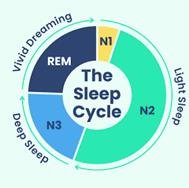
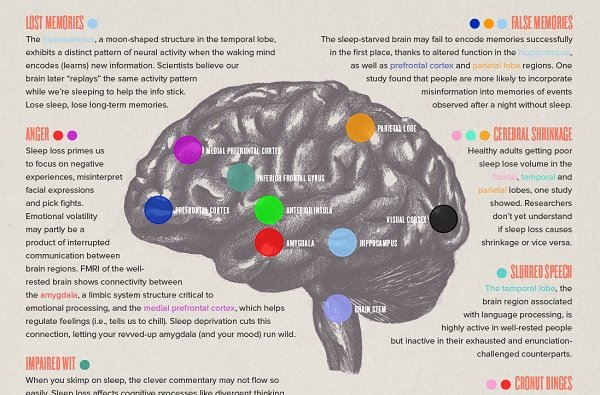
REM sleep, characterized by dreaming, increases brain activity and supports emotional processing and memory consolidation. Disruptions to these cycles impair neurotransmitter balance and stress‑hormone regulation, “wreaking havoc in the brain, impairing thinking and emotional regulation”.
Sleep and Mental Health
Bi‑directional Relationship
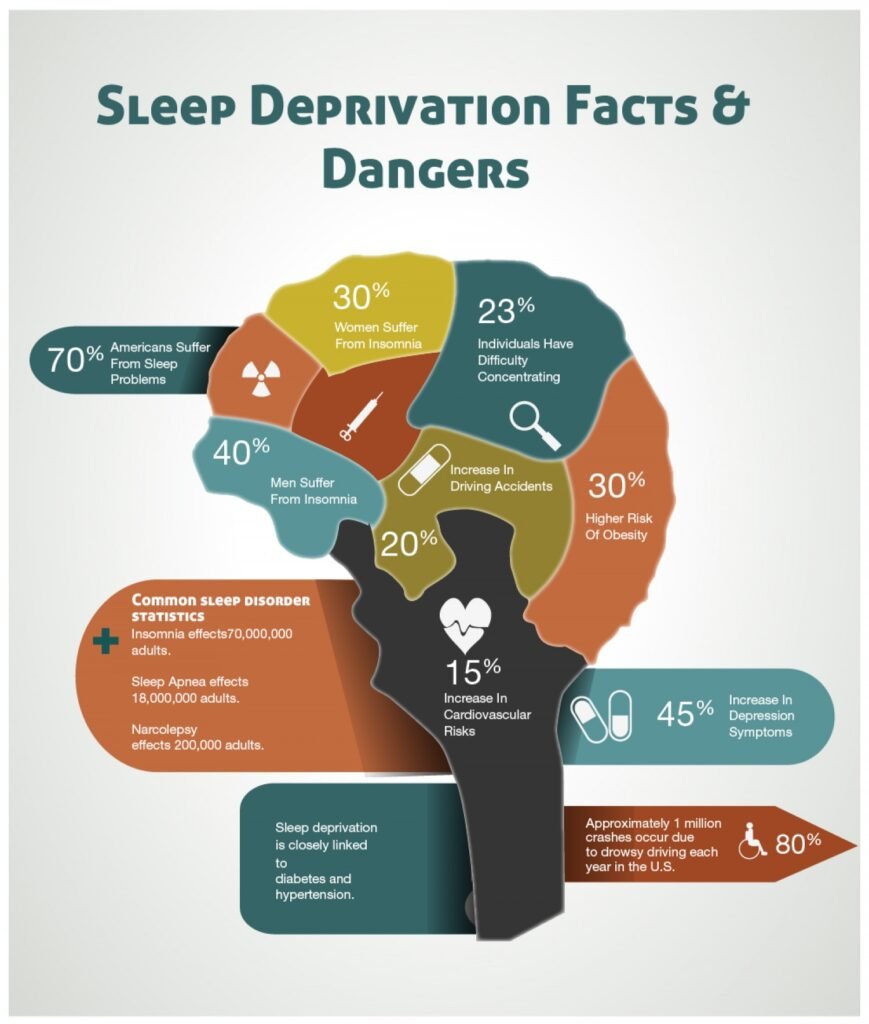
Sleep disturbances are both symptoms and predictors of psychiatric disorders. Chronic sleep problems affect 50–80% of psychiatric patients compared to 10–18% of the general population . This supports the emerging view that sleep and mental health share a bi‑causal relationship.
Depression
Between 65–90% of adults with major depression and 90% of depressed children experience sleep problems. Insomnia increases the risk of developing depression fourfold, as shown in a longitudinal study of 1,000 adults. Persistent insomnia also predicts poorer treatment outcomes and higher suicide risk.
Anxiety Disorders
More than half of adults with generalized anxiety disorder experience sleep problems. Children with anxiety “took longer to fall asleep, and slept less deeply” in laboratory studies . Sleep disruptions in PTSD may reinforce traumatic memories, hindering recovery.
Bipolar Disorder
Up to 99% of individuals in manic episodes experience reduced need for sleep. Sleep loss can trigger mania, and hypersomnia is common during bipolar depression.
ADHD
Between 25–50% of children with ADHD experience sleep disturbances, including restless sleep and sleep‑disordered breathing.
General Psychiatric Correlations
A large NIH study found that 40% of people with insomnia and 46% with hypersomnia also had psychiatric disorders, compared to 16% of those without sleep issues.
Benefits of Sleep for Physical and Cognitive Health
“The way you feel while you’re awake depends in part on what happens while you’re sleeping”. Key benefits include:
1. Cognitive Efficiency
Sleep deprivation reduces alertness, concentration, and reaction time. As one expert notes, “On a cellular level, the body is literally repairing and restoring itself”.
2. Weight Regulation
Short sleep increases obesity risk by 89% in children and 55% in adults.
3. Athletic Performance
Extended sleep improves speed, accuracy, and reaction time in athletes.
4. Cardiac Health
Short sleep duration is associated with increased stroke risk.
5. Immunity
Sleep strengthens both innate and adaptive immune responses.
6. Social and Emotional Functioning
Sleep loss reduces the ability to recognize emotional expressions such as anger and happiness.
7. Sexual Health
Sex and sleep have an interdependent relationship; sex releases oxytocin and endorphins that promote relaxation and sleep.
Common Sleep Disorders
Insomnia
The most prevalent disorder, affecting 20% of people. Symptoms include difficulty falling asleep, staying asleep, or waking too early.
Sleep Apnea
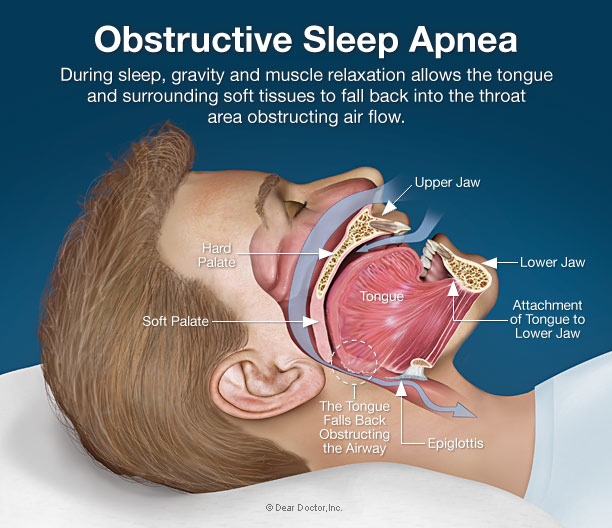
Characterized by repeated breathing interruptions, often accompanied by loud snoring.
Narcolepsy
A neurological disorder causing sudden sleep attacks.
Parasomnias (e.g., Sleepwalking)
Sleepwalking occurs during deep non‑REM sleep and is more common in children. It may be triggered by sleep deprivation, stress, or conditions like OSA (Obstructive Sleep Apnea)
and RLS (Restless Sleep Syndrome).
Lifestyle and Behavioral Interventions
Both documents emphasize non‑pharmacological strategies:
Sleep Hygiene
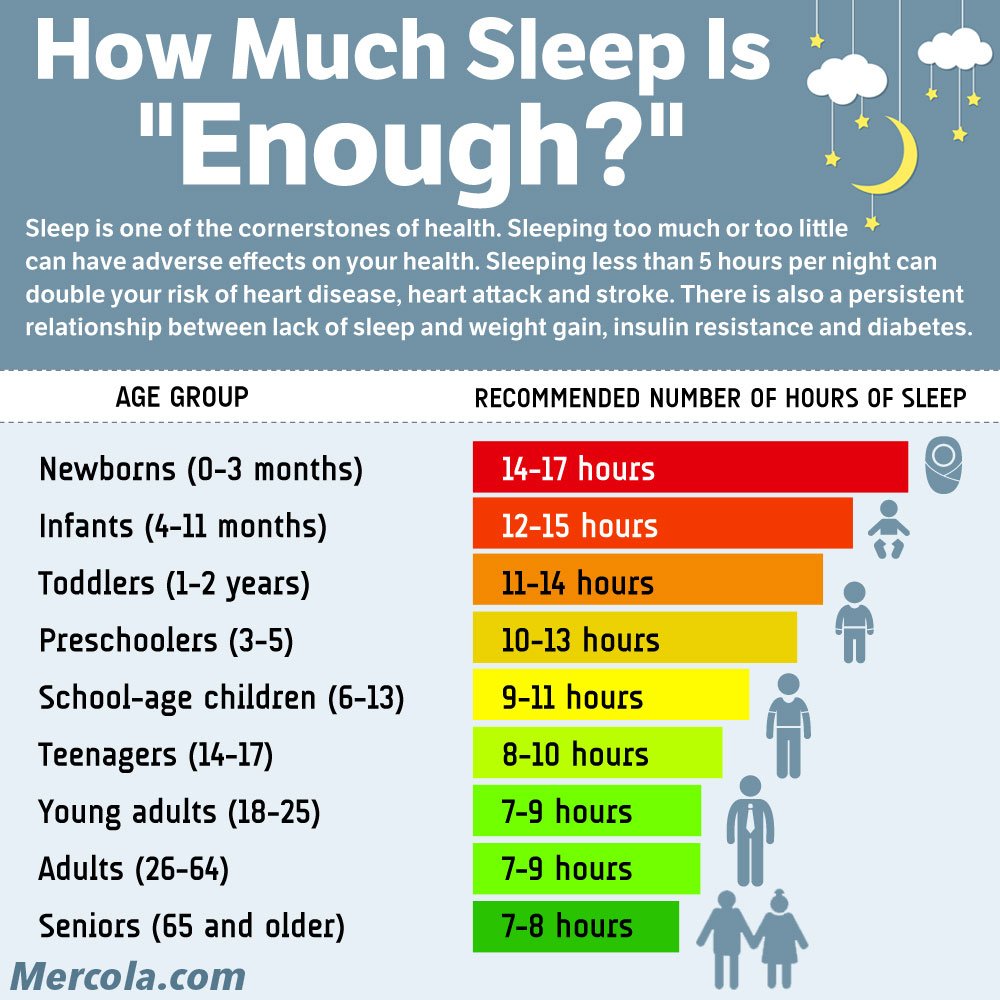
- Maintain consistent sleep–wake times
- Use the bedroom only for sleep and sex
- Keep the room dark, cool, and quiet
Relaxation Techniques
Meditation, deep breathing, guided imagery, and progressive muscle relaxation reduce anxiety and promote sleep.
Physical Activity
Regular exercise improves sleep depth and reduces insomnia.
Dietary Considerations
Avoid caffeine, alcohol, spicy foods, greasy foods and heavy meals before bed; consider supplements like magnesium or valerian root.
Pre‑Bed Routine
Warm baths, journaling, reading, and yoga help transition the body into sleep.
Environmental Optimization
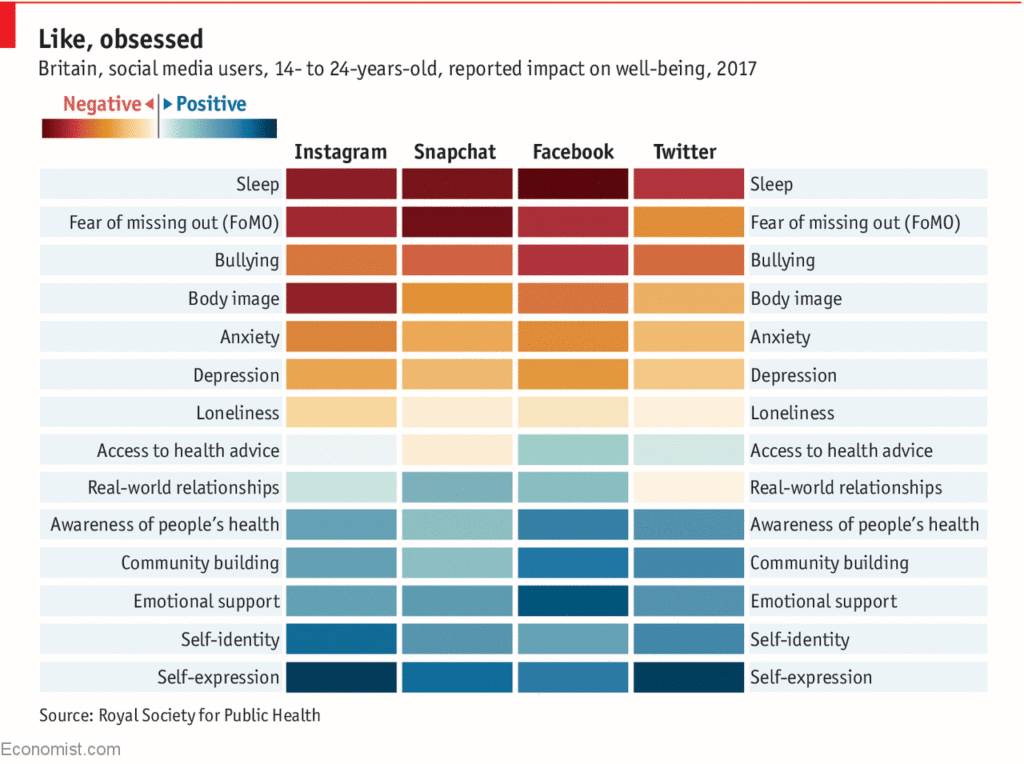
Use blackout curtains, reduce screen exposure, and create a calming bedroom atmosphere. Avoid television, cell phone, blue lights etc. at least 45 minutes before sleeping or pre-sleep.
Discussion
The integrated evidence demonstrates that sleep is not merely a passive state but a dynamic biological process essential for mental and physical health. The bi‑directional relationship between sleep and psychiatric disorders highlights the importance of early intervention. Lifestyle modifications, behavioral therapies, and environmental adjustments can significantly improve sleep quality and overall, well‑being.
Conclusion
Sleep is foundational to human functioning. Historical perspectives, physiological research, and modern clinical findings converge on the same conclusion: adequate, high‑quality sleep is essential for mental health, emotional resilience, cognitive performance, and physical vitality. Addressing sleep problems is therefore a critical component of preventive health care and psychiatric treatment.
